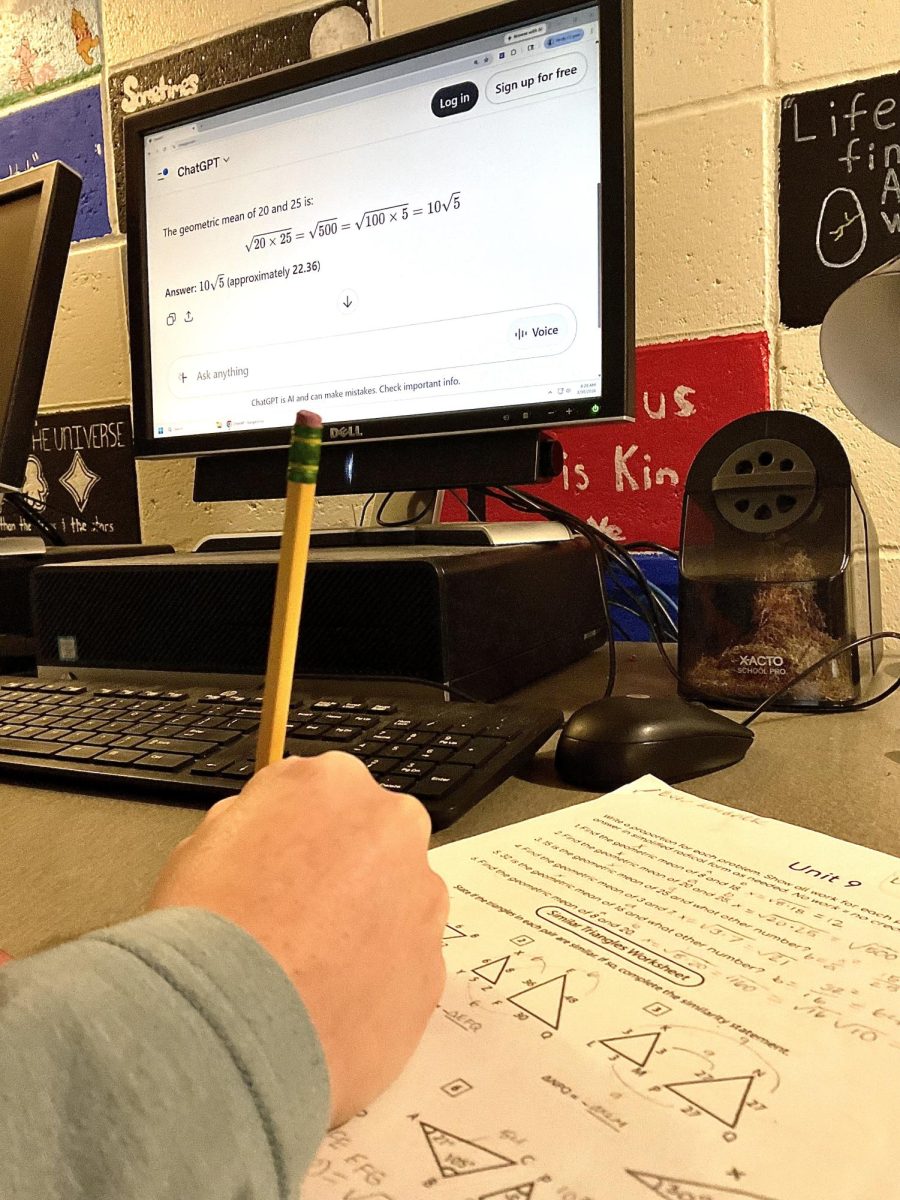
When it comes to Artificial Intelligence in schools, students and teachers should consider its ethical use as a learning tool rather than a crutch. While AI can be beneficial to education, students and teachers may misuse its capabilities in order to complete their tasks with little to no effort. This apathetic approach to the learning process destroys the purpose of education. Students should not use AI if it means sacrificing their responsibility to learn. Likewise, teachers should not shirk their obligation to aid students by replacing human connection and guidance with responses from Artificial Intelligence. AI users should be cautious of overuse and reliance on AI-generated content in work, which can be detrimental to the learning process and development of cognitive function. When AI use reaches the point where students and teachers are insufficiently equipped to complete tasks without AI use, AI has become an unhealthy dependence.
While AI can teach content, it should not be used as a replacement for authentic human instruction. When students rely on AI to teach them concepts, it takes away from developing important learning skills. Likewise, when teachers rely on AI to teach and create their content, there is a disconnect in the student-teacher relationship, creating a strain in trust. This relationship is crucial for students to understand how to develop professional relationships as well as engage in human contact: a skill that is critical throughout a person’s life.
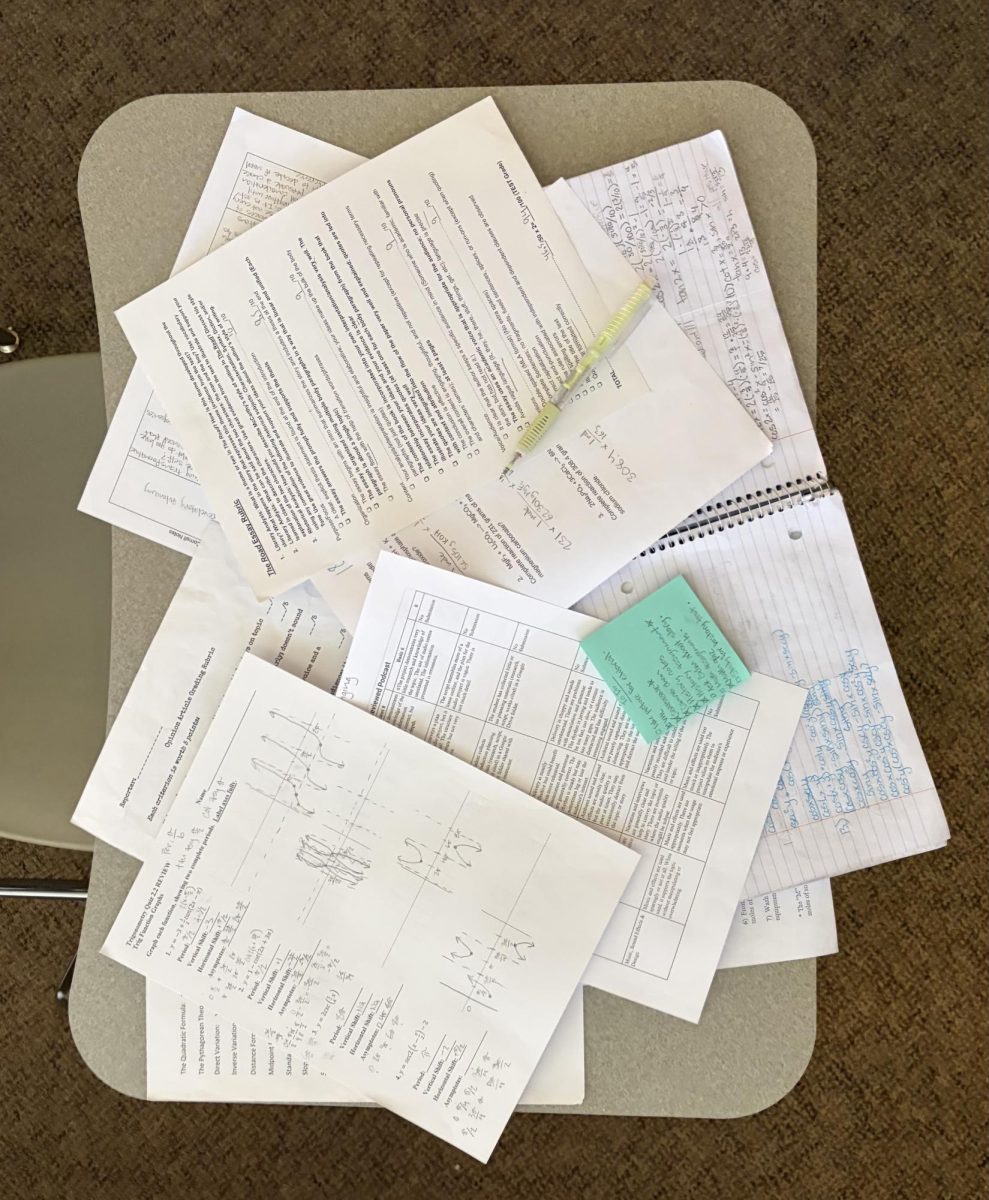
Additionally, teachers should not use AI to grade student essays or other subjective work, because AI can’t account for individual writing styles and student growth. AI grades written work to the strict standards it is encoded to use itself, so any writing that stylistically steps outside of those limits will be graded lower. In the same way, AI rewards AI-written content, which can encourage cheating.
Students should not have to modify their personal academic writing style to receive high grades on their work. Feedback on subjective work should come directly from the teacher, as it results in genuine, personalized comments that students can understand. Teachers are more familiar with their rubric elements than AI, and can provide feedback based on skill, level, and age. However, for subjects such as math, where there is an objectively right answer, AI is an acceptable way to speed up grading.
For students and educators, AI can be helpful for gathering information to aid the research process. Oftentimes, the research process can be tedious and time-consuming, so in certain cases, AI can be utilized appropriately to gather credible sources that are catered to a specific topic. AI can generate quality sources to save time, but all sources retrieved should be fact-checked by human intelligence. AI can make mistakes, so it’s important to refrain from relying solely on AI information at face value. When using any AI content, users should double-check the generated content to ensure it aligns with their requests.
Because of the advancement of AI, these practices do have their place in the classrooms as much as in the outside world. Using AI as a tool can be beneficial to student learning and teacher convenience. However, AI should never be the origin of any final product by students or teachers. Both teachers and students have a valuable role to play in the education system, and AI should not interfere with those roles and responsibilities.